Should you buy a brand-new home or a well-kept resale in Avon? It is a big decision, especially in a market where inventory shifts and timing matters. In this guide, you will get a clear look at price, timing, financing, warranties, and local Avon factors like sewer availability that can change your plans. By the end, you will have a simple framework to choose the best path for your move. Let’s dive in.
Avon market snapshot
Avon sits at a higher price point than many Hartford County suburbs. As of late 2025, Zillow’s Home Value Index placed the typical Avon home value near $549,750, and other sources reported medians roughly in the $497,000 to $565,000 range depending on date and data set. Pricing varies by neighborhood, lot size, and condition, so pull fresh local comps before you decide.
Resale demand has been competitive at times. Recent reporting showed Avon among Hartford-area markets with a high share of homes selling above list, which can reduce your leverage on resale negotiations. You can read more about the trend in this Hartford-area bidding activity recap.
New construction inside Avon is limited. Many “new” listings are custom or small-lot infill rather than large master-planned neighborhoods. Neighboring Farmington and other Farmington Valley towns sometimes offer more formal new-build communities, which can affect your search radius if a new home is a must-have.
What new construction looks like in Avon
Where new builds happen
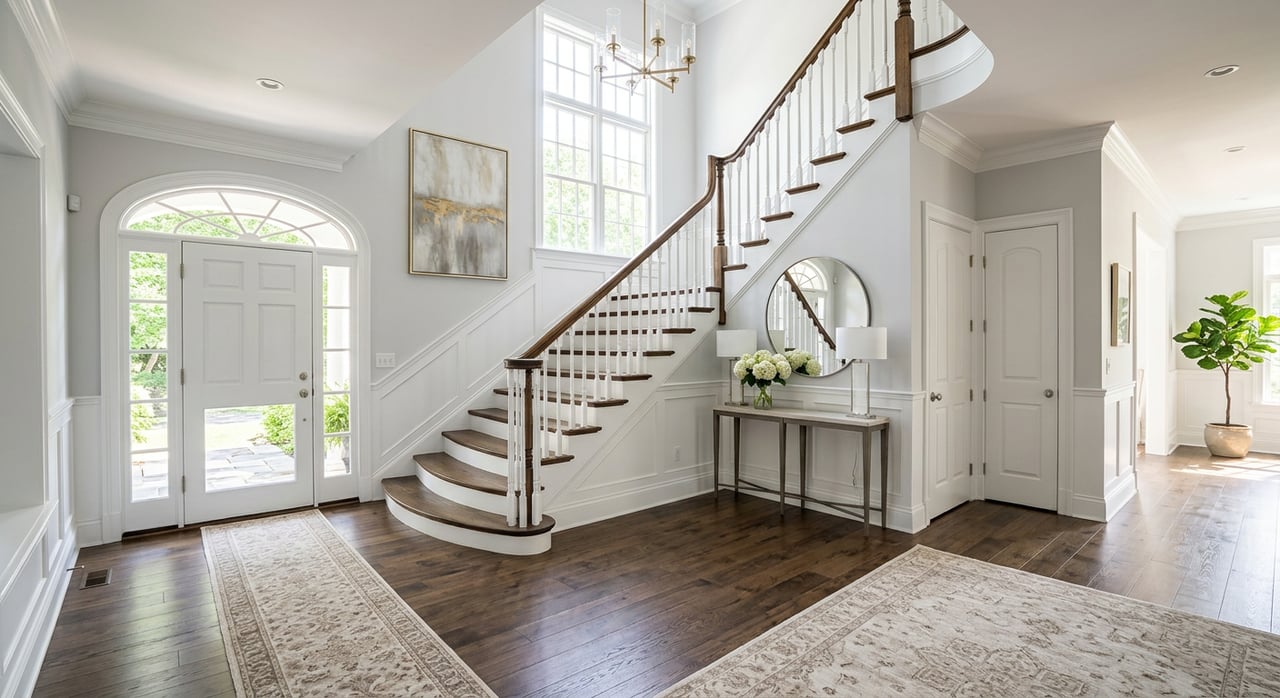
You will most often see custom single-family homes on individual lots, a few-lot subdivisions, or replacement builds on existing parcels. National tract builders are less common here than in fast-growing regions, so plan for a more bespoke process and site-by-site due diligence.
Price positioning vs resale
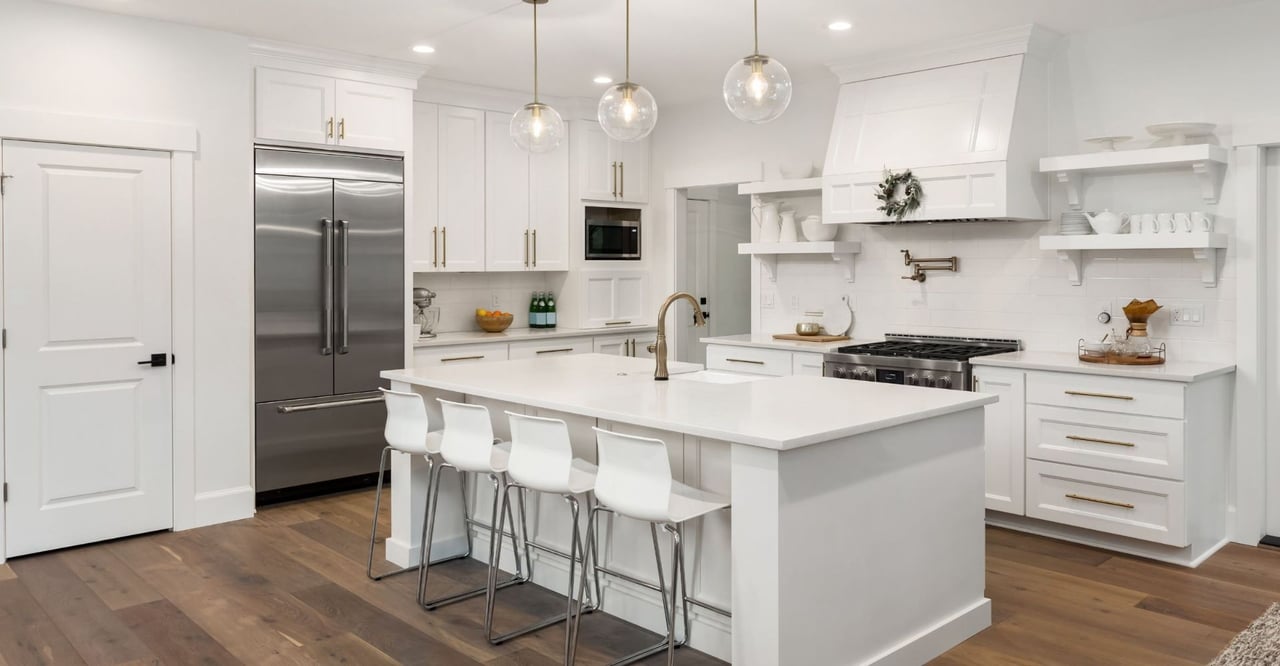
New builds in Avon often sit above the town median because lots can be larger, finishes are modern, and layouts are designed for current living. Compare price per square foot, lot size, and age to get an apples-to-apples view. Use multiple data vendors and your agent’s SmartMLS comps to understand the gap.
Utilities, permits, and timelines
Sewer availability matters. Municipal sewer coverage and permitting are managed by the Town of Avon Engineering and Sanitary Sewer department. Start with the town’s sewer information page to understand districts and approvals. If a lot is not on sewer, the Farmington Valley Health District handles well and septic approvals, which can influence both cost and timing.
New vs resale: key trade-offs
Price and value
- New: Builders price the finished product, upgrades, and the lot premium. A new-construction premium still exists in many markets because you are paying for modern plans and new systems. Use local price-per-square-foot comps to cut through the noise.
- Resale: Often less expensive than a comparable new home, but condition and layout vary widely. In tighter segments, strong demand can push offers above list, which limits negotiation room.
Taxes and carrying costs
- Property taxes: Factor Avon’s mill rate into your monthly budget. Town budget and bond documents outline mill information and collection practices. Review a recent municipal filing to understand how the tax rate translates to your payment, such as this Avon bond document with mill details.
- Conveyance taxes and closing fees: Connecticut imposes state and municipal real estate conveyance taxes. The seller typically pays the conveyance tax, but confirm in the contract and closing statement. See the CT Department of Revenue Services guidance for rates and forms.
Financing and incentives
- New builds may use construction-to-permanent loans or a two-close construction loan. Understand draw schedules, rate lock risk, and total closing costs. A helpful overview of construction-loan mechanics is available in this construction financing primer.
- Builders sometimes offer incentives like rate buydowns, closing-cost credits, or appliance allowances. Weigh these against the base price and long-term note.
Timing and transaction risk
- New: Expect a longer path from contract to closing. Permits, site work, and utility connections can extend timelines, especially if the lot requires a septic system or complex grading. Stage inspections help keep quality on track.
- Resale: Closings can move faster, but older systems can add surprise costs. A strong inspection and realistic repair budget are key.
Warranties and protection
- New: Many reputable builders provide limited warranties. A common structure is 1 year for workmanship, 2 years for systems, and 10 years for major structural items. Ask whether the coverage is backed by a third-party insurer. Learn the basics in this 2-10 builder warranty overview.
- Inspections still matter: Best-practice milestones include a pre-drywall inspection, a final inspection, and an 11-month warranty inspection to catch items before coverage expires. See a concise inspection-stage guide.
A simple decision framework
Use this step-by-step lens to choose with confidence.
Step 0: Clarify objectives
List your must-haves and timing. Consider bedrooms, lot size, commute routes, and whether you can wait for a custom or semi-custom build.
Step 1: Compare like-for-like
Pull sold comps for both new and existing homes in your target neighborhoods. Compare price per square foot, lot size, and age. Note that different data vendors report different medians by date range and sample, so triangulate before you decide.
Step 2: Check site and infrastructure early
Before you get attached to land or a new-build plan, confirm whether the property is on municipal sewer or will require a septic system. Start with the town’s sewer information and verify approvals through the proper agencies.
Step 3: Review contracts and warranties
For new construction, request the builder’s contract and full warranty booklet upfront. Confirm what is covered, how claims work, and whether structural coverage is insured by a third party. Have your attorney or agent review change-order rules, allowances, and deadlines. For context, see the 2-10 builder warranty FAQ.
Step 4: Align financing
Speak with a lender experienced in construction-to-permanent loans and ask about single-close versus two-close options. Clarify how any builder incentives affect your true rate and your closing costs. For a foundation on mechanics and disclosures, review this construction-finance overview. Keep CT conveyance taxes in mind using DRS guidance.
Step 5: Plan inspections and punch lists
Book independent inspections at key stages: pre-drywall, final, and an 11-month check. Document items in writing and keep communication clear with the builder. For best practices, refer to this inspection-stage resource.
Step 6: Run the total 12–24 month cost
Add up purchase price, upgrades, taxes, closing fees, and expected maintenance to get a realistic picture of your first two years in the home.
12–24 month cost checklist
- Purchase price plus upgrade allowances or renovation budget
- Lot and site work for new builds, including grading, driveway, landscaping
- Utility costs, including sewer hookup or septic system, plus municipal fees and assessments
- Connecticut conveyance taxes and closing fees per DRS guidance
- Monthly property taxes and insurance; reference recent mill information in town budget materials
- Maintenance reserve: more for older resale systems like roof or HVAC, less for new builds, though warranties have limits
When a new build makes sense
- You want modern layouts, energy-efficient systems, and minimal near-term maintenance.
- You can be flexible on location within the Farmington Valley to find the right lot or small subdivision.
- You have time for permitting, site work, and builder timelines.
- You value warranty coverage and the ability to customize finishes.
When a resale is the better fit
- You prefer established neighborhoods, mature landscaping, and faster closings.
- You want to trade some renovation work for a lower entry price relative to new builds.
- You need to move on a specific timeline, such as a school-year target or a job start.
- You are comfortable budgeting for mid-term system updates.
Next steps
Choosing between new and resale in Avon comes down to cost, timing, and your appetite for the build process. A local advisor can help you compare real-time comps, verify sewer and permitting details, and model your 12–24 month total cost so you can move forward with confidence. If you want a data-informed plan and seamless coordination with trusted lenders, inspectors, and closing pros, connect with Diana Brown to schedule a market consultation.
FAQs
What is the average home price in Avon, CT right now?
- As of late 2025, the typical Avon home value was near $549,750, with other sources showing medians around $497,000 to $565,000 depending on the data set and date.
How competitive are resale homes in Avon?
- Reporting in 2025 highlighted Avon among Hartford-area markets with a high share of above-list sales, signaling frequent bidding and tighter negotiation room; see this local demand recap.
How long does new construction usually take in Avon?
- Timelines vary by lot, permitting, and utility connections; expect longer than a resale purchase and build in extra time if a septic system or complex site work is involved.
Do I still need inspections on a brand-new home?
- Yes; schedule pre-drywall, final, and 11-month inspections to document issues before warranty deadlines, following this inspection-stage guide.
Who pays Connecticut real estate conveyance taxes at closing?
- In Connecticut the seller typically pays state and municipal conveyance taxes, but confirm in your contract and closing statement; see CT DRS guidance.
What warranties come with a new home?
- Many builders use a 1–2–10 style program that covers workmanship for 1 year, systems for 2, and major structural items for 10; verify the exact booklet and whether it is insured by a third party using this warranty explainer.
How do I check if a specific Avon lot has municipal sewer?
- Start with the town’s sewer information page and confirm details with Avon Engineering; if not on sewer, the Farmington Valley Health District oversees well and septic approvals.