Wondering how to sell a Colonial home in South Glastonbury without losing the character that makes it special? You are not alone. In a village setting where historic design matters and buyers notice the details, the right strategy can help your home stand out for all the right reasons. This guide walks you through how to present, price, and market your Colonial with confidence. Let’s dive in.
Why Colonial Homes Stand Out Here
South Glastonbury is not just another Hartford County market. It is part of one of Connecticut’s oldest municipalities, and the town describes South Glastonbury as a historic village center. Local village-district guidelines also note that buildings there are often colonial in design or include colonial elements.
That matters when you sell. In South Glastonbury, a Colonial home often feels like a natural fit with the setting rather than a one-off style. Buyers who are drawn to this area may already expect to see symmetry, classic details, and a traditional street presence.
The South Glastonbury Historic District also reflects that pattern. According to the National Register nomination, Colonial is the most common architectural style in the district, with 13 examples among roughly 80 structures. For sellers, that means your home’s style may be part of what buyers already associate with the village identity.
What Buyers Expect From a Colonial
Buyers usually come to a Colonial home with a fairly clear picture in mind. They often expect simple lines, balanced windows, a centered entry, and a layout that feels ordered and intentional. Details like columns, pediments, sidelights, fanlights, double-hung windows, and front porches can all support that impression.
Inside, many buyers expect a center hall layout or front rooms that feel a bit more formal than newer open-concept homes. That does not mean your home has to feel outdated. It means your marketing should help buyers understand the flow and appreciate how the layout fits the home’s character.
Older New England Colonials may also include changes that happened over time. Rear additions, ells, lean-tos, and less-open floor plans can be authentic parts of the home’s history. In many cases, those features are better presented as part of the home’s story rather than treated like problems to hide.
Features Buyers Notice First
When buyers tour a South Glastonbury Colonial, they often focus on a few key questions:
- Does the front exterior have strong curb appeal?
- Is the entry welcoming and easy to understand?
- Do the main rooms feel balanced and functional?
- Has the kitchen been updated in a way that still fits the house?
- Do additions look visually connected to the original home?
If you can answer those questions clearly through preparation and marketing, you make it easier for buyers to connect with the property.
Start With Curb Appeal
For Colonial homes, the first impression is especially important. South Glastonbury’s village guidelines emphasize street-oriented buildings, colonial design themes, and orderly front landscaping. That makes the front elevation a major part of your sales story.
Before listing photography or showings, focus on the basics. Make sure the entry is clean, trim is fresh-looking, walkways are neat, and landscaping feels cared for. You do not need to erase the home’s age or character. You want buyers to see a home that feels well-kept, readable, and true to its setting.
A Colonial often wins attention from the street because of its symmetry and proportions. If shutters are crooked, plantings are overgrown, or the front door area feels dark or cluttered, that visual strength can get lost. Small exterior improvements can have an outsized impact.
Stage the Rooms That Matter Most
Staging helps buyers imagine themselves living in the home, and current data supports its value. In the 2025 Profile of Home Staging, 83% of buyers’ agents said staging made it easier for buyers to visualize a property as a future home. Sellers’ agents also reported that staging can reduce time on market and sometimes improve offers.
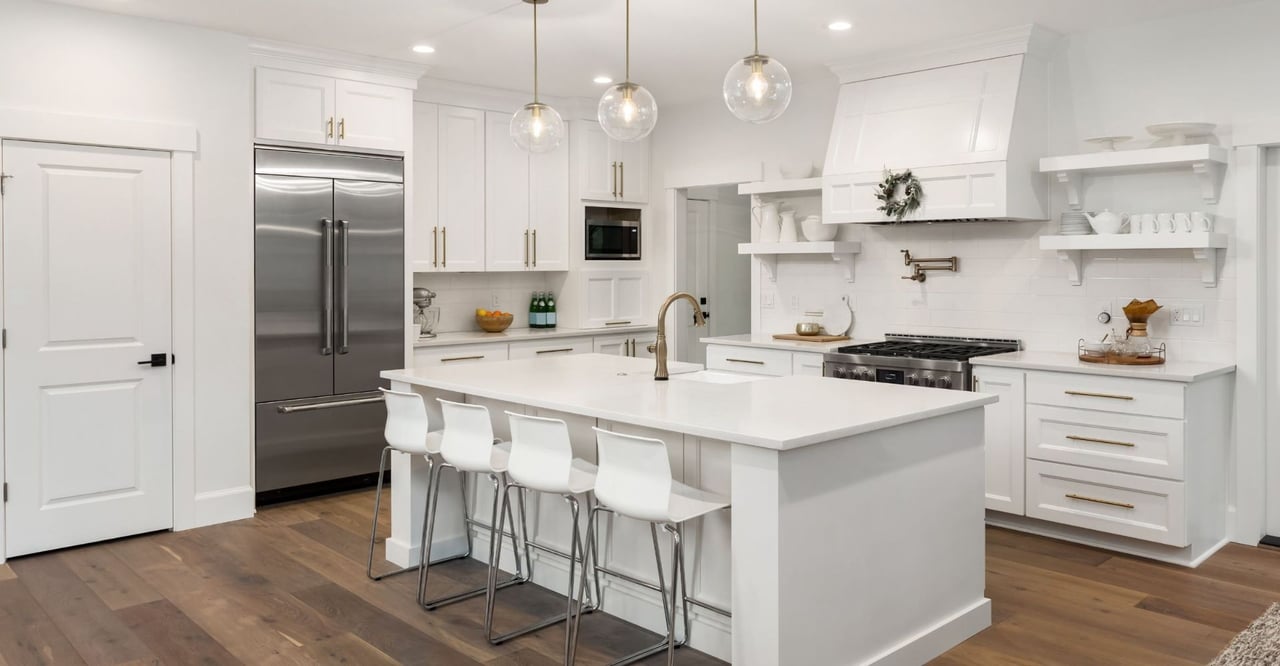
The same report found that the most important rooms to stage were the living room, primary bedroom, and kitchen. That is especially relevant for a Colonial, where buyers often judge the home by the main living sequence and whether classic rooms still feel comfortable for modern life.
Best Rooms to Prioritize
If you are deciding where to spend your time and budget, start here:
- Living room: Show warmth, scale, and function.
- Primary bedroom: Create a calm, uncluttered retreat.
- Kitchen: Highlight updates, storage, and usability.
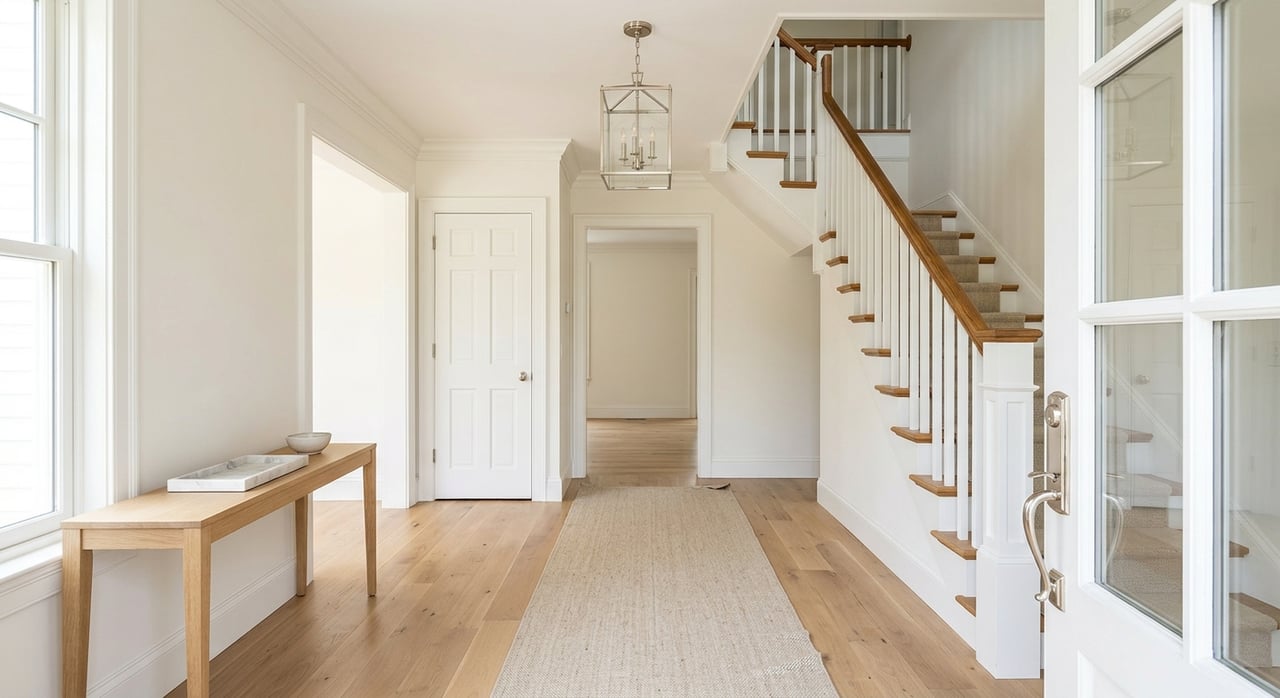
- Entry or stair hall: Reinforce the home’s symmetry and first impression.
- Dining room or front sitting room: Help buyers see purpose in more formal spaces.
Keep the staging clean and honest. The goal is not to make the house look trendy at the expense of its architecture. The goal is to help buyers see how classic design and everyday living can work together.
Use Photography That Matches Reality
Most buyers begin online, so your listing photos carry a lot of weight. In a 2025 buyer survey, 81% of buyers rated listing photos as the most useful online feature. Floor plans and virtual tours also mattered, which shows that buyers want both beauty and clarity before they schedule a showing.
For a South Glastonbury Colonial, the strongest visual story usually starts with the front exterior and entry. From there, photos should show the stair hall, main living spaces, kitchen, and how rooms connect. These are the spaces that help buyers understand the symmetry, flow, and personality that define the style.
Just as important, the photography needs to be accurate. Over-edited images or angles that hide layout realities can create disappointment in person. Buyers should walk in and feel that the home matches what they saw online.
What Strong Marketing Photos Should Show
A strong Colonial listing often benefits from photos that highlight:
- The full front elevation in good daylight
- The front door and entry details
- The foyer or stair hall
- Sightlines between main living spaces
- Kitchen finishes and functionality
- The relationship between original rooms and later additions
- Outdoor spaces that support the home’s setting
This is where a portfolio-driven marketing approach can make a difference. Thoughtful preparation, professional photography, and a clear visual plan help your home compete more effectively.
Price From the South Glastonbury Micro-Market
Pricing a Colonial home in South Glastonbury takes more than checking a townwide average. As of April 2026, Realtor.com reported 14 homes for sale in South Glastonbury, with a median listing price of $522,200, a median sold price of $517,250, a median price per square foot of $238, a median of 32 days on market, and a sale-to-list ratio of 101%.
Those numbers suggest a competitive market, but not one where presentation no longer matters. Buyers may still pay strong prices, yet they appear selective enough to reward homes that are well-prepared, well-photographed, and correctly priced.
Townwide data can help with general context. Zillow reported an average Glastonbury home value of $553,399 as of April 30, 2026, up 6.2% year over year, with homes going pending in around 7 days. Still, a South Glastonbury Colonial should be priced against the closest comparable homes in its immediate area rather than broader town averages.
Why Hyperlocal Pricing Matters
South Glastonbury itself shows meaningful variation. Realtor.com reported neighborhood median prices ranging from about $340,000 in Wells Quarter to about $694,999 in Griswoldville. That spread tells you something important: street, lot, age, updates, and historic character can influence value just as much as square footage.
For a Colonial seller, that means the pricing conversation should account for:
- Exact location within South Glastonbury
- Lot size and setting
- Condition and level of updates
- How well original character has been preserved
- Whether additions feel integrated
- Comparable sales with similar age and style
A data-backed pricing strategy helps you avoid two common mistakes: pricing low because the house feels older, or pricing high because townwide numbers look strong. The right number usually sits in the details.
Think Carefully About Pre-Listing Updates
Not every improvement adds value, especially with a Colonial home. Buyers in South Glastonbury may appreciate updates, but they also tend to respond to authenticity. Replacing every traditional detail with something overly modern can weaken the home’s appeal.
A better approach is to focus on repairs, maintenance, and selective improvements that support the architecture. Clean paint, functional windows, updated lighting that fits the style, and a kitchen or bath refresh that respects the home’s character can all help. The goal is to reduce buyer hesitation without stripping away identity.
If your home is in a local historic district, pause before making exterior changes. The Glastonbury Historic District Commission says a certificate of appropriateness is required for applicable exterior work. If you are considering facade changes or visible updates before listing, it is smart to verify requirements first.
Balance Character and Function
The best Colonial listings in South Glastonbury do not try to pretend the home is brand new. They show buyers why the home’s classic layout, architectural details, and village setting are valuable, while also making it easy to understand how the property works for modern living.
That balance is often the difference between a listing that feels memorable and one that feels difficult. When buyers can see both the charm and the practicality, they are more likely to respond quickly and confidently.
In this market, authenticity and presentation work best together. Preserve the symmetrical street presence, stage the rooms that shape buyer perception, use honest professional photography, and price from the closest comparable sales. That combination gives your Colonial home the strongest chance to stand out.
If you are thinking about selling a Colonial home in South Glastonbury, working with a local agent who understands both the style and the micro-market can make the process smoother. For tailored pricing, prep guidance, and full-service marketing support, schedule a market consultation with Diana Brown.
FAQs
How should you price a Colonial home in South Glastonbury, CT?
- You should price it using the closest comparable sales in South Glastonbury, with adjustments for location, lot size, updates, age, and historic character rather than relying only on townwide averages.
What rooms matter most when staging a Colonial home for sale?
- The living room, primary bedroom, and kitchen are the top priorities, and for a Colonial, the entry and main living sequence also matter because they help buyers understand the home’s flow and character.
What do buyers expect in a South Glastonbury Colonial home?
- Buyers often expect symmetry, a centered entry, classic architectural details, and a layout that feels balanced, while also wanting updates that support modern living without erasing the home’s original character.
Do historic district rules affect exterior updates before listing a home in Glastonbury?
- Yes, if the home is in a local historic district, applicable exterior work may require a certificate of appropriateness from the town’s Historic District Commission.
Why is curb appeal so important for Colonial homes in South Glastonbury?
- Curb appeal matters because the front elevation, entry, and landscaping help communicate the Colonial style immediately, and that first impression often shapes buyer interest online and in person.