If you have ever scrolled listing photos and wondered why some Simsbury homes feel formal while others feel easy and open, you are not alone. The style of a house shapes how you live day to day, from where you gather to how storage works. In this guide, you will learn how to spot Simsbury’s most common architectural styles, what each one is like to live in, and what to watch for when touring. You will also get practical tips on photos, inspections, and local rules so you can move forward with confidence. Let’s dive in.
Why style matters in Simsbury
Simsbury’s charm comes from its rich architectural mix and active preservation culture. The town includes several National Register districts and a local historic program that helps protect neighborhood character. You can explore the story through the town’s overview of Historic Simsbury and at the Simsbury Historical Society’s Phelps Tavern site, a hands-on way to see classic New England form in person at the Phelps Tavern Museum.
Architecture here is not just “a look.” It affects daily routines. Think staircase width in an 18th-century Colonial, cozy second-floor dormers in a Cape, or single-level living in a ranch. Knowing these differences helps you choose a home that fits your lifestyle rather than fighting it.
For a broader snapshot of styles around the town center, the Simsbury Center Historic District highlights Colonial, Federal, Greek Revival, and Colonial Revival buildings in close proximity.
The style mix today and what is changing
Simsbury is a midsize Hartford-corridor market with both historic homes and newer suburban builds. Local planning efforts continue to shape what you will see next. In 2025 the town approved zoning changes that eased accessory dwelling units, introduced a new small-lot R‑8 district, and adjusted a flexible housing overlay. These updates are likely to widen the range of lot sizes and home types in future infill, which may include more duplexes, ADUs, and small-lot detached homes. You can follow updates through the town’s Planning and Community Development Department.
How to spot and live in each style
Colonial, Georgian, and Federal
This classic New England family includes many of Simsbury’s earliest homes. The Phelps Tavern offers a clear Colonial reference.
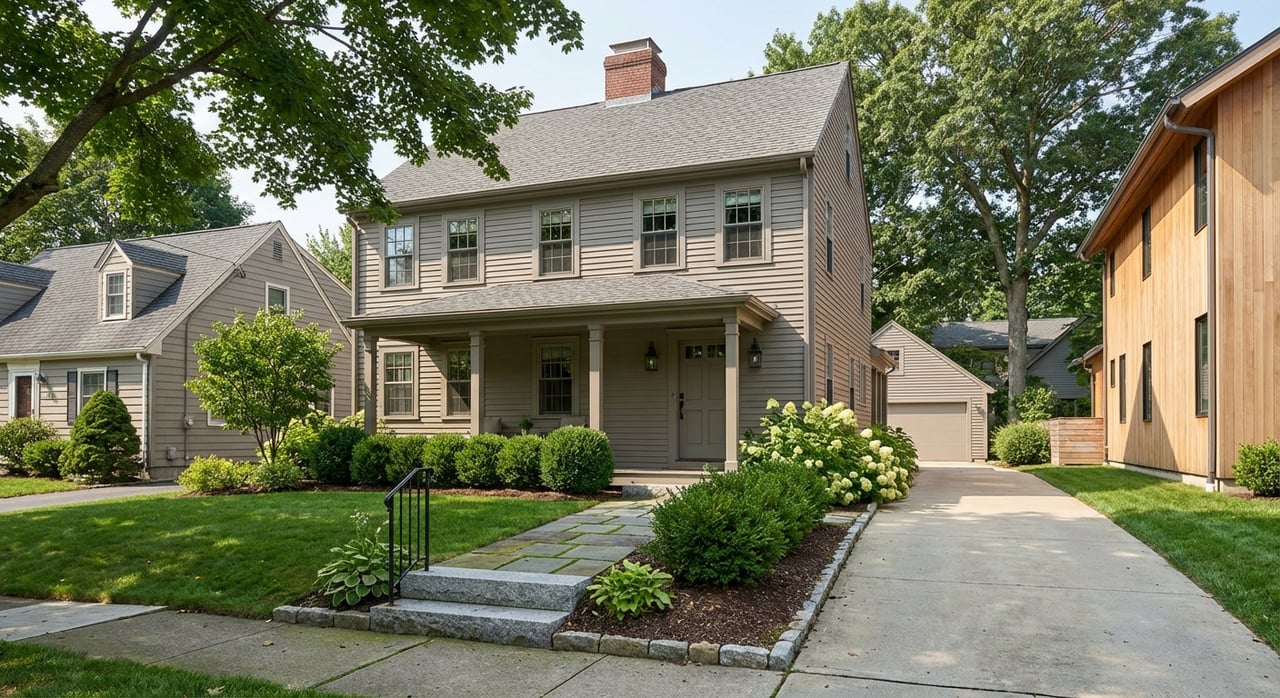
- Quick ID: Two full stories, five-bay symmetry, a centered front door with a decorative surround, multi-pane windows, and one or two prominent chimneys.
- How it lives: Expect formal front rooms with the kitchen historically in a rear ell. Bedrooms are upstairs, often reached by a narrower stair. Rooms feel defined rather than open.
- Why buyers like it: Authentic millwork, wide floorboards, and fireplaces add character many buyers prize. Historic New England’s style guide explains why details in these homes stand out for collectors of classic charm. See the Historic New England architectural style guide.
- Tradeoffs to weigh: Storage can be modest, and mechanicals may be older unless updated. If listing photos show multiple working fireplaces or original trim, that is a win. Also check kitchen updates, electrical panel photos, and insulation notes.
Lives like: Formal rooms for quiet evenings, with family life often centered in a remodeled rear kitchen or ell. Smart check: Ask about roof age, chimney condition, and any permits for kitchen expansions.
Cape Cod and 1½‑story cottages
Capes and gambrel-roof cottages are part of Simsbury’s historic fabric and later growth.
- Quick ID: One or one-and-a-half stories, steep gable or gambrel roofs, and dormers if expanded. Older examples may have a central chimney.
- How it lives: Cozy main level with bedrooms up under the roofline. Dormers add space but can mean lower headroom at the eaves.
- Why buyers like it: Easy-to-heat, right-sized rooms, and a cottage feel. If you enjoy efficient spaces, a Cape can be a great fit.
- Tradeoffs to weigh: If you want open flow, look for listings with kitchen bump-outs or a wall opened to a family room. Dormers often signal structural and insulation work worth confirming.
Lives like: Warm, manageable spaces with a practical layout. Smart check: Confirm dormer quality, insulation, and the age of roof and windows.
Greek Revival
Greek Revival arrived in the early 19th century with its strong, temple-like forms. You can see civic-era expressions within the Simsbury Center Historic District.
- Quick ID: Gable-front orientation with a pediment, bold cornices, and pilasters or columns at the entry.
- How it lives: Exteriors signal presence and symmetry. Interiors vary, but entries and porches often feel grand.
- Why buyers like it: A striking front porch and formal curb appeal. These homes photograph beautifully and make memorable first impressions.
- Tradeoffs to weigh: Floor plans can be formal depending on how much has been updated.
Lives like: A statement entry that welcomes guests and frames daily comings and goings. Smart check: Ask about porch and column maintenance, as these are key visual features.
Colonial Revival
Early 20th-century Colonial Revival homes borrow classical motifs, often with more modern function inside. The National Park Service offers a helpful primer on the style’s common features. Explore the Colonial Revival overview.
- Quick ID: Symmetry, columns, detailed door surrounds, and larger footprints than their 18th-century cousins.
- How it lives: Often “the best of both worlds” with traditional curb appeal and larger kitchens or family rooms.
- Why buyers like it: A familiar, timeless look paired with everyday convenience. Listing photos may show a generous kitchen opening to a family space.
- Tradeoffs to weigh: Older examples may still need systems updates if not already completed.
Lives like: Traditional outside, easy and social inside. Smart check: Verify permits and structure if you see a wall removed between kitchen and family room.
Victorian and Tariffville mill-village homes
Worker cottages and folk Victorian houses cluster in Tariffville, a historic mill village along the Farmington River.
- Quick ID: Asymmetric facades, porches, bay windows, and decorative trim. Streets may feel compact and walkable.
- How it lives: Many rooms, flexible nooks, and a true porch culture. Tariffville can offer renovation value in older housing stock. For a national take on neighborhoods with classic older homes, see This Old House’s note on best old-house areas that includes Tariffville’s riverfront context. Read the This Old House neighborhood feature.
- Why buyers like it: Character, village settings, and potential affordability compared with larger historic homes.
- Tradeoffs to weigh: Porches and trim need upkeep. Floor plans can feel compartmentalized unless opened up.
Lives like: A village lifestyle with front porch time and walkable blocks. Smart check: Look closely at porch structure, rooflines, and any siding repairs in photos.
Ranch, midcentury, and contemporary
Post-war neighborhoods and newer infill bring single-level ranches and more modern builds to Simsbury.
- Quick ID: Single story, low or simple rooflines, picture windows, and attached garages. Contemporary versions may feature larger glass and clean lines.
- How it lives: Single-level convenience with open sight lines and easy indoor-outdoor flow.
- Why buyers like it: Accessibility, lower stair counts, and spaces that fit today’s living. Industry research notes strong buyer interest in open kitchens, outdoor living, and generous windows and doors. See the BuilderOnline buyer-preference survey.
- Tradeoffs to weigh: Some midcentury homes may need cosmetic refreshes or energy upgrades.
Lives like: Modern living made simple, with fewer stairs and more light. Smart check: Ask about window age, insulation, and slider condition to support energy efficiency.
Decode listing photos fast
Use these cues to translate photos into everyday living:
- Exterior tells: Roof shape (gabled, gambrel, low-slope), symmetry vs asymmetry, dormers, porch type and columns, siding material, and attached vs detached garage. These clues point to scale, likely light, and curb appeal.
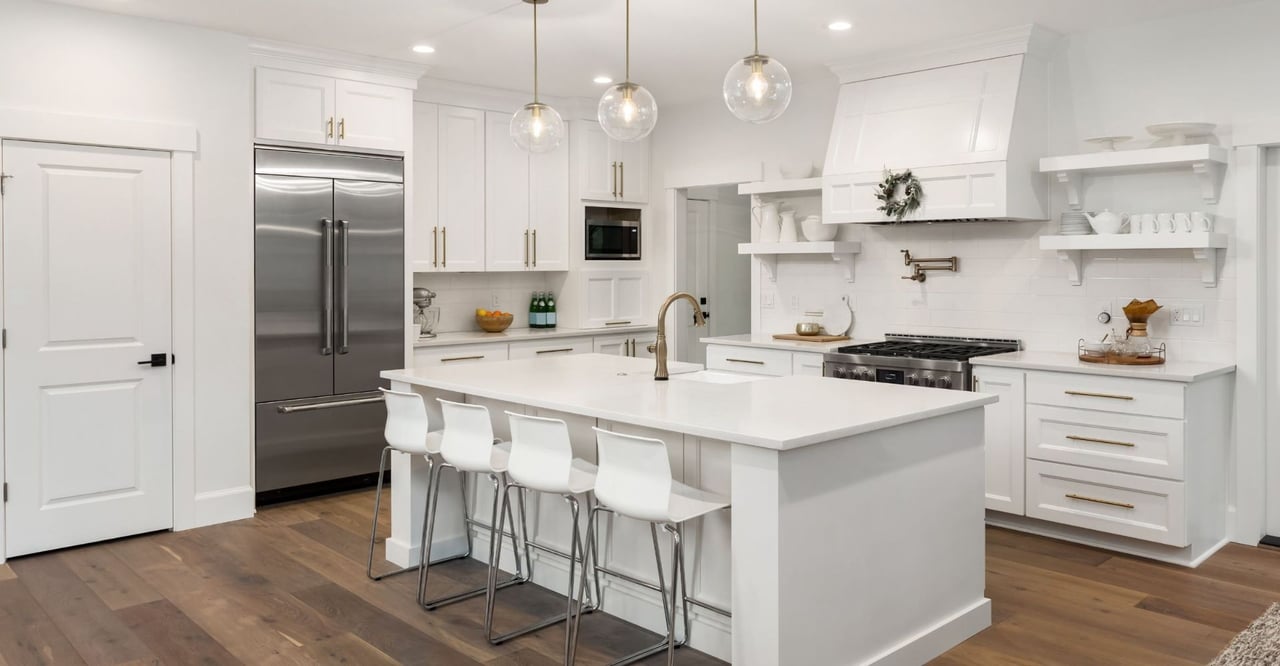
- Interior tells: Sight lines from the kitchen into gathering space, ceiling height, size and placement of windows, built-ins for storage, and stair steepness. These map to how you cook, host, and move through the day.
- Yard and site: Fencing, slope, driveway placement, and mature trees. A flat, fenced yard supports play and pets. A larger deck or patio supports outdoor dining, a feature many buyers now prioritize. The BuilderOnline survey highlights the draw of daylight and outdoor access.
- Red flags to probe: Missing gutters or sagging rooflines, water stains in ceilings or basements, patchy repairs on walls or ceilings, and few closets in older homes. Bring questions about roof age, permit history, and any recent inspection reports. For a helpful overview of what to ask during inspections, see the NAR field guide to home inspections.
Renovation and regulations to know
Simsbury’s preservation framework matters if you are improving a home in a local historic district. Exterior changes that are visible from the street typically require a Certificate of Appropriateness. Before you plan window, porch, or siding work, check with the town’s Historic District Commission.
Older New England homes may run on oil heat and can have older insulation or mechanical systems. Ask about heating fuel, any past or present oil tanks, and whether the seller upgraded insulation or HVAC. These changes affect comfort and costs in winter.
When you tour or review a listing, keep a simple checklist:
- Systems: Year and type of roof, heating system age and fuel, electrical panel capacity, and visible plumbing under sinks.
- Structure: Chimney condition, signs of foundation moisture, and any notes on past permits for additions or wall removals.
- Style-specific checks: For Capes, dormer construction and roof transitions. For Victorians, porch structure and trim condition. For Colonials, any structural work tied to kitchen expansions.
Local examples to see in person
- Phelps Tavern Museum: A Colonial-era anchor that helps you visualize classic proportions and room layouts. Plan a visit through the Simsbury Historical Society.
- Simsbury Center Historic District: A walkable survey of Colonial, Federal, Greek Revival, and Colonial Revival exteriors that define the town center. Review the district overview before you go.
- Tariffville streetscapes: Mill-village housing with character and a compact layout along the Farmington River. For broader context on older-home neighborhoods that appeal to buyers, see the This Old House feature.
Choosing the right fit
Match the style to how you live. If you love formal rooms and period details, a Colonial or Greek Revival can be rewarding. If you want traditional curb appeal with modern flow, look to Colonial Revival. If you prefer easy movement and light, ranch and contemporary homes often deliver. And if you want village life and character-rich projects, Tariffville’s older housing can be a smart search lane.
As Simsbury’s zoning evolves, expect more variety in future listings, from small-lot homes to accessory apartments that add flexibility for multigenerational living or rental income. Track updates with the town’s Planning and Community Development Department.
Ready to tour with a plan and spot the style that suits you best? Let’s make your next move clear and confident. If you would like tailored guidance and on-the-ground insight across greater Hartford County, connect with Diana Brown to schedule a market consultation.
FAQs
What are the most common home styles in Simsbury?
- You will most often see Colonial, Colonial Revival, Cape Cod, Victorian-era mill houses in Tariffville, and post-war ranch or contemporary homes around town.
How do historic districts affect exterior changes in Simsbury?
- If a home is in a local historic district, exterior work visible from the street typically needs a Certificate of Appropriateness from the town’s Historic District Commission.
Which Simsbury style is best for single-level living?
- Ranch and many contemporary homes offer true single-level living, which can help with accessibility and reduce daily stair use.
How do I spot open floor plans in listing photos?
- Look for clear sight lines from the kitchen to a family room, wider cased openings, and larger windows or sliders that connect to decks or patios.
What should I check during a tour of an older Simsbury home?
- Ask about roof and heating system ages, look at chimney and foundation conditions, review the electrical panel, and confirm permits for any additions or wall removals. See the NAR inspection guide for more.
Where can I see local architectural examples before I buy?
- Visit the Phelps Tavern Museum and walk the Simsbury Center Historic District for real-world examples of Colonial through Colonial Revival styles.